Dog-Friendly UK Castles You Can Visit With Your Dog
Which UK castles welcome dogs? A region-by-region guide to dog-friendly English Heritage, National Trust, Cadw and Historic Scotland castles.
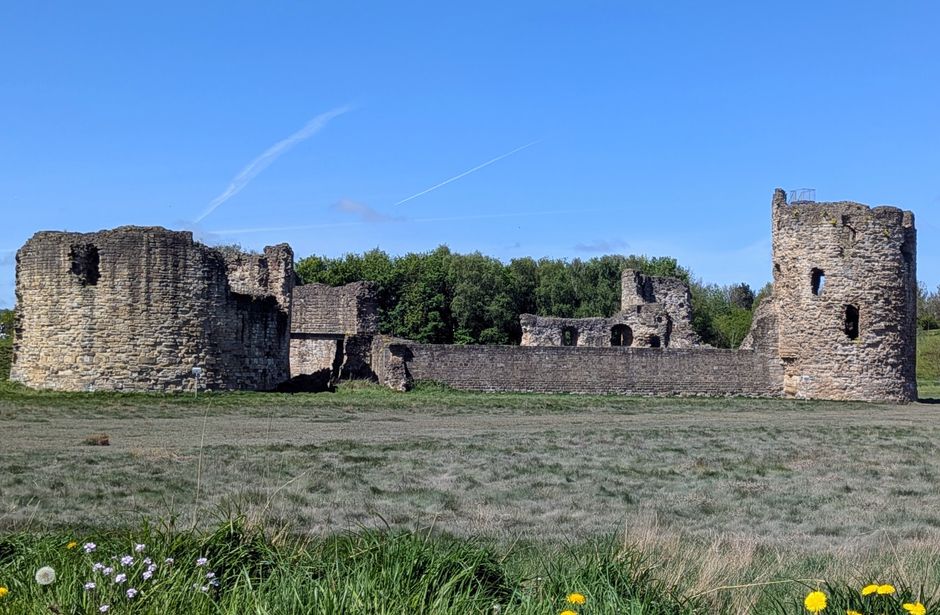
A castle is one of the easiest big days out to share with a dog. Most are built around open baileys, grassy moats and curtain walls, so there is room to roam on a lead, and the four organisations that run Britain's historic castles all publish clear dog policies. The catch is that access differs from one castle to the next, and a handful of the most famous keeps admit assistance dogs only. This guide groups ten genuinely dog-friendly castles by who runs them, so you know exactly what to expect before you set off.
Can you take a dog into a UK castle?
In most cases, yes. Britain's castles are looked after by four main bodies, and all four allow dogs at the majority of their sites as long as your dog is on a lead and under control. The differences are in the detail: some let dogs into roofed buildings and tea rooms, while others restrict them to grounds and ground floors only.
- English Heritage (the charity that cares for more than 400 historic sites in England) welcomes dogs on leads at most of its properties, and assistance dogs everywhere. It even runs a dog-friendly days out guide to its most welcoming sites.
- The National Trust (a conservation charity looking after houses, castles, gardens and coastline across England, Wales and Northern Ireland) says 87 per cent of its places now welcome dogs, and grades each one with a one-to-three pawprint rating so you can see how dog-friendly it is at a glance.
- Cadw (the Welsh Government's historic environment service) welcomes dogs on short leads on the ground floors of most of its monuments. Its full policy and site list are on the official Cadw dog-friendly days out page.
- Historic Environment Scotland (HES, the public body that manages Scotland's national monuments) welcomes well-behaved dogs on leads at many sites, but not inside roofed areas, and assistance dogs everywhere. See its dog-friendly sites round-up.
The one rule that never changes: assistance dogs trained by a recognised organisation are welcome at every site run by all four bodies, including indoors.
How do the four heritage bodies compare?
01
English Heritage
Dogs on leads at most sites in England. Some, like Goodrich, even allow dogs indoors. Assistance dogs everywhere.
02
National Trust
One-to-three pawprint ratings show how dog-friendly each place is. Three pawprints means dogs in most areas, including tea rooms.
03
Cadw (Wales)
Dogs on short leads on the ground floors of most Welsh castles. Upper levels are assistance dogs only.
04
Historic Environment Scotland
Dogs on leads in the grounds of many sites, but not inside roofed buildings. Stirling and Edinburgh Castles are dog-free.
Which English Heritage castles welcome dogs?
HEREFORDSHIRE · ENGLISH HERITAGE
Goodrich Castle, Herefordshire Editor's pick
The rare castle where your dog can come inside with you
- Owners who hate leaving a dog outside
- Wye Valley day trips
- Wet-weather visits
- Managed by English Heritage
- Dog access Whole site, including indoors
- Lead On a lead
- Assistance dogs Welcome everywhere
Goodrich is about as dog-friendly as a medieval castle gets. English Heritage allows dogs on leads throughout the whole site, including the indoor spaces, which is unusual for a roofed castle. That means you can climb the keep and explore the chambers above the River Wye without leaving your dog in the car. The compact site and good parking make it an easy half-day stop on the Herefordshire and Wye Valley border.
What we liked
- Dogs allowed indoors, not just the grounds
- Compact and easy to walk in an hour or two
- Close to dog-friendly Wye Valley walks
Watch out for
- Steep spiral stairs in the keep are not ideal for older dogs
- Busy on summer weekends
One of the very few UK castles where a dog on a lead can follow you all the way up the keep.
SUFFOLK · ENGLISH HERITAGE
Framlingham Castle, Suffolk
Walk the full curtain wall with your dog at your side
- Wall-walk views
- Suffolk market towns
- Steady older dogs
- Managed by English Heritage
- Dog access Grounds and castle (not the cafe counter)
- Lead On a lead
- Assistance dogs Welcome everywhere
What we liked
- Dogs allowed on the famous wall-walk
- Adjoining meadow and mere for a longer walk
- Flat, easy footing for most of the site
Watch out for
- No dogs at the cafe counter
- Limited shade on the exposed wall-top
KENT · ENGLISH HERITAGE
Dover Castle, Kent
Acres of clifftop grounds above the Channel
- High-energy dogs
- Big views
- Long visits
- Managed by English Heritage
- Dog access Castle grounds (not the tunnels or Great Tower)
- Lead On a lead
- Assistance dogs Welcome everywhere
What we liked
- Huge grounds to explore on foot
- Dramatic clifftop and Channel views
- Plenty of space even on busy days
Watch out for
- Pet dogs cannot enter the wartime tunnels or keep
- A lot of uphill walking from the car park
NORTHUMBERLAND · ENGLISH HERITAGE
Warkworth Castle, Northumberland
A riverside keep on the Northumberland coast
- Northumberland coast trips
- Combining castle and beach
- Village strolls
- Managed by English Heritage
- Dog access Castle grounds
- Lead On a lead
- Assistance dogs Welcome everywhere
What we liked
- Walkable from a pretty dog-friendly village
- Near several open-access beaches
- Compact and manageable
Watch out for
- Keep interior is not open to pet dogs
- Exposed to coastal wind
COUNTY DURHAM · ENGLISH HERITAGE
Barnard Castle, County Durham
Clifftop ruins above the Tees
- Teesdale and the North Pennines
- Riverside walks
- Market-town cafes
- Managed by English Heritage
- Dog access Castle grounds
- Lead On a lead
- Assistance dogs Welcome everywhere
What we liked
- Right beside a dog-friendly market town
- Riverside paths on the doorstep
- Quieter than the big-name castles
Watch out for
- Interior rooms are off-limits to pet dogs
- Some steep, uneven ground
Which National Trust castles welcome dogs?
DORSET · NATIONAL TRUST
Corfe Castle, Dorset
Ruined ramparts on a Purbeck hilltop
- Purbeck and Jurassic Coast trips
- Off-the-beaten-track ruins
- Combining with beach days
- Managed by National Trust
- Dog access Castle grounds and ruins (check pawprint rating)
- Lead On a lead
- Assistance dogs Welcome everywhere
What we liked
- Entirely outdoor ruins, ideal for dogs
- Steam railway and dog-friendly village below
- Minutes from Studland's beaches
Watch out for
- Steep, uneven climbs around the ruins
- Very busy in peak summer
An all-outdoor castle in the middle of Dorset's best dog-walking country.
Which Welsh castles run by Cadw welcome dogs?
CAERPHILLY · CADW
Caerphilly Castle, South Wales
Britain's second-largest castle, moat and all
- Big open spaces
- Moat-side strolls
- South Wales days out
- Managed by Cadw
- Dog access Ground-floor levels on a short lead
- Lead Short lead
- Assistance dogs Welcome, including upper levels
What we liked
- Enormous grounds and water gardens
- Iconic leaning tower to photograph
- Easy reach from Cardiff
Watch out for
- Upper levels are assistance dogs only
- Interior exhibitions off-limits to pet dogs
ANGLESEY · CADW
Beaumaris Castle, Anglesey
A moated masterpiece on the Menai Strait
- Level, easy walking
- Seaside town strolls
- Anglesey and Snowdonia trips
- Managed by Cadw
- Dog access Ground-floor levels on a short lead
- Lead Short lead
- Assistance dogs Welcome, including upper levels
What we liked
- Flat ground floor, good for older dogs
- Dog-friendly town right outside
- Promenade walk along the strait
Watch out for
- Upper walls are assistance dogs only
- Exposed to coastal weather
Which Scottish castles welcome dogs?
DUMFRIES & GALLOWAY · HISTORIC ENVIRONMENT SCOTLAND
Caerlaverock Castle, Dumfries & Galloway
A triangular moated castle on the Solway
- Solway coast trips
- Moat-side walks
- Quiet visits
- Managed by Historic Environment Scotland
- Dog access Grounds only (not roofed interiors)
- Lead On a lead
- Assistance dogs Welcome everywhere
What we liked
- Striking moated setting to walk around
- Adjoining nature reserve
- Rarely crowded
Watch out for
- No access to roofed interiors
- Can be muddy after rain
EAST LOTHIAN · HISTORIC ENVIRONMENT SCOTLAND
Tantallon Castle, East Lothian
Cliff-edge ramparts facing the Bass Rock
- Dramatic clifftop views
- East Lothian coast
- Pairing with North Berwick beaches
- Managed by Historic Environment Scotland
- Dog access Grounds only (not roofed interiors)
- Lead On a lead
- Assistance dogs Welcome everywhere
What we liked
- Spectacular cliff-edge position
- Near several dog-friendly beaches
- Big open grounds
Watch out for
- Cliff edges mean a lead is essential
- Very exposed in bad weather
Which castles don't allow dogs?
A few of Britain's best-known castles admit assistance dogs only, so it is worth knowing before you build a day around them:
- Stirling Castle and Edinburgh Castle do not permit visitor dogs at all. Both admit assistance dogs only, mainly because of the dense crowds and the amount of roofed, historic interior.
- At Cadw and Historic Environment Scotland sites, roofed buildings and upper floors are generally off-limits to pet dogs even where the grounds are dog-friendly.
- Historic Royal Palaces sites such as the Tower of London and Hampton Court Palace also admit assistance dogs only.
If a castle is not listed on its managing body's dog pages, treat it as assistance dogs only until you have checked the individual property page.
Tips for visiting a castle with your dog
Keep the lead on
Every body that runs a dog-friendly castle requires dogs to be on a lead and under control. Cadw and HES specify a short lead near drops and livestock.
Mind the roofed areas
Many castles are dog-friendly outdoors but not inside keeps, towers or tea rooms. Check which parts you can actually reach before paying.
Watch the stairs
Spiral staircases and steep ramparts are hard on older dogs and small breeds. Pick a ruined or ground-floor castle if your dog struggles with steps.
Bring water
Exposed castle grounds get hot and offer little shade. Carry water and a travel bowl, and never leave a dog in a parked car.
Clean up
Bring bags and use the bins provided. Repeat fouling is the quickest way for a site to tighten its dog policy.
Check before you travel
Policies vary site by site and can change seasonally. Confirm on the official property page on the day you plan to go.
Frequently asked questions
Q01Are dogs allowed at English Heritage castles?
Q02Can I take my dog inside a castle, not just the grounds?
Q03Which famous castles do not allow dogs?
Q04Do National Trust castles allow dogs?
Q05Are dogs allowed at Welsh and Scottish castles?
Dog-Friendly UK Attractions and Theme Parks
Best Dog-Friendly Beaches in the UK
Dog-Friendly Beaches in Dorset